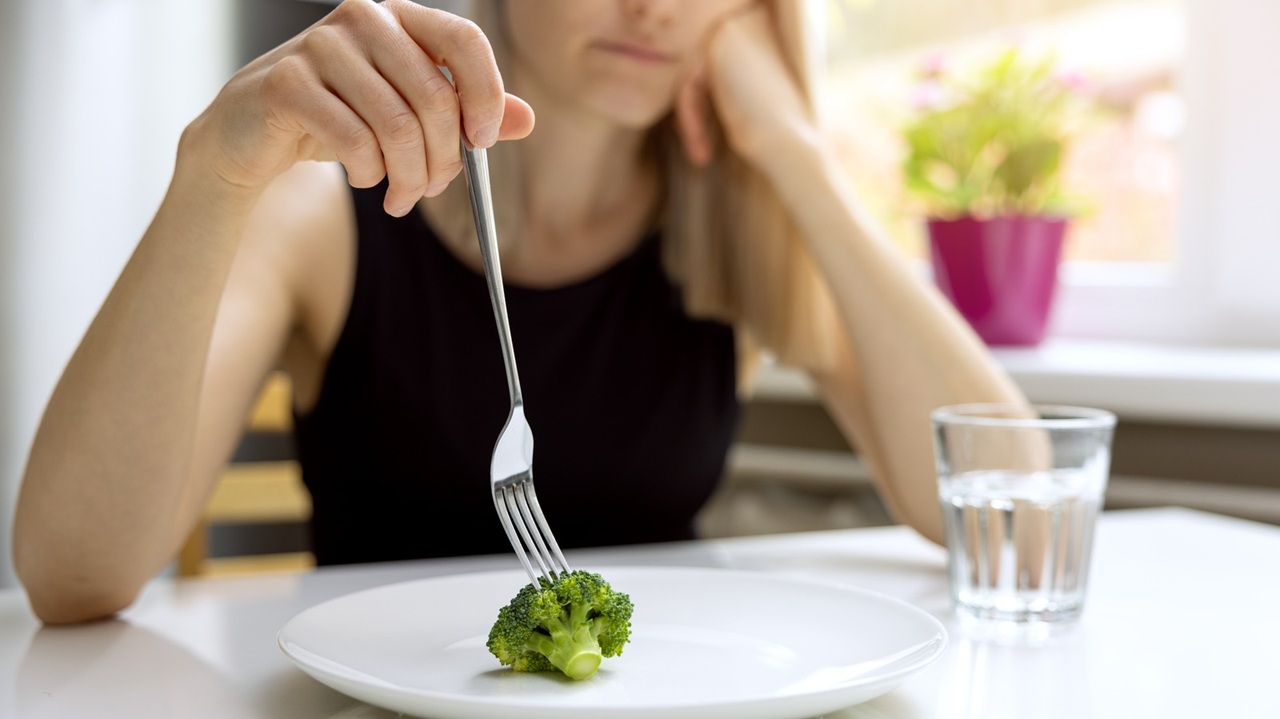
Switching to a vegan diet can feel empowering, nourishing, and aligned with personal values. But as promising as it may be for your body and the planet, there’s one undeniable truth for many new vegans, an upset stomach. Digestive issues like bloating, gas, or discomfort often make an appearance as your body adapts to this plant-forward diet.
The good news? These issues are manageable, and often avoidable, with a bit of understanding and adjustment.
Why Do Digestive Issues Happen on a Vegan Diet?
Plant-based eating comes with digestive changes, primarily because it involves a higher intake of fiber and certain naturally occurring compounds in vegetables, grains, and legumes.
Here are some of the most common reasons vegan diets can upset your stomach:
Fiber Overload
Vegan diets are naturally rich in fiber, which is great for gut health but can lead to discomfort if introduced too quickly. Foods like beans, lentils, and whole grains are fiber powerhouses, but consuming too much, too fast, can overwhelm your digestive system.
Gas-Producing Foods
Legumes, cruciferous vegetables (like broccoli and Brussels sprouts), and soy products are staples of vegan meals. However, they contain complex carbohydrates that your gut struggles to break down, leading to bloating and gas.
FODMAPs Sensitivities
Certain vegan foods, such as onions, garlic, and specific fruits, are high in FODMAPs (fermentable oligosaccharides, disaccharides, monosaccharides, and polyols). These compounds are harder to digest for some people and may result in stomach cramps or bloating.
Nutrient Imbalances
Common deficiencies in vegan diets, like vitamin B12, zinc, or omega-3s, can indirectly harm digestion. Plus, over-relying on processed vegan snacks or supplements can exacerbate stomach issues while offering little nutritional value.
Eating Too Many Processed Vegan Alternatives
Plant-based cheese, mock meats, and overly processed snacks are convenient but often loaded with additives, oils, and thickeners that can irritate your gut.
How to Avoid or Manage Digestive Issues on a Vegan Diet?
While initial hiccups are normal, you don’t have to suffer through constant discomfort.
Here are some tips to help your digestive system keep up with your new lifestyle:
Introduce Fiber Gradually
If you’re not used to a high-fiber diet, take it slow. Gradually increase your fiber intake over a few weeks so your gut bacteria has time to adjust. Pair fiber-rich meals with adequate hydration to keep things moving smoothly.
Experiment with Cooking Methods

Cooking vegetables and legumes thoroughly can make them easier to digest. For example, soaking beans overnight and cooking them with a pinch of ginger can reduce gas-causing compounds.
Watch Your Portions
Large portions of fiber-dense meals might overwhelm your gut. Try eating smaller, more frequent meals to lighten the digestive load and keep your energy steady.
Consider Your FODMAPs Tolerance
If bloating or gas persists, track your diet and identify high-FODMAP foods that may be triggering your symptoms. You don’t have to give them up entirely, but reducing their intake can make a difference.
Balance Your Nutrients
Ensure you’re getting adequate protein, healthy fats, and a variety of micronutrients. A balanced vegan diet includes whole foods like nuts, seeds, leafy greens, legumes, and fortified products to cover potential gaps.
Be Mindful with Processed Foods
Limit highly processed vegan products, as they can irritate your stomach. Instead, focus on whole, minimally processed foods to nourish your body and support gut health.
Supplement Smartly
For nutrients like B12, iron, and omega-3s that are challenging to get from plant-based sources alone, consider quality supplements. These play an essential role in keeping your digestive system and overall health in balance.
Conclusion
It’s completely normal to experience a gut adjustment period when transitioning to a vegan lifestyle. Fortunately, tweaking your approach can alleviate or prevent many of the common pitfalls. Taking the time to understand your gut’s specific needs and eating intentionally can make all the difference.
Remember, maintaining a vegan diet and having a happy stomach aren’t mutually exclusive. With a little patience and these tips, you’ll be able to thrive in your plant-based lifestyle without sacrificing comfort or well-being.